
Nigeria's FMCG Market Is Growing.
Access Is the Real Opportunity.
A data-led view into Nigeria's FMCG ecosystem category demand, retailer behavior, distribution bottlenecks, and the next wave of trade digitization.

Demand is resilient. Access is still fragmented.
This report goes beyond market-size headlines to unpack what is really shaping FMCG growth in Nigeria: inflation-led buying shifts, retailer stocking behavior, credit dependence, and route-to-market bottlenecks.
How value moves across Nigeria's FMCG trade chain
The opportunity is not just demand it is the ability to connect manufacturers, distributors, retailers, and consumers with better visibility, financing, and execution.
Nigeria's scale is the story 238M people with a young median age create massive FMCG demand potential.
Large population size, youthful demographics, and rising urban concentration together create one of Africa's most important demand engines but distribution access and execution determine who captures the opportunity.
Nigeria at a glance
A quick view of the structural forces shaping demand, trade behavior, and FMCG distribution execution.
10 signals shaping Nigeria's FMCG market in 2026
Interactive summary cards designed for executives, commercial teams, and strategy leaders.








How FMCG moves in Nigeria
Understanding where visibility, financing, and fulfillment break down and where value compounds.
Manufacturer / Importer
- Production planning vs demand volatility
- Pricing pressure and channel incentives
- Limited downstream sell-out visibility
Distributor
- Thin margins and cash-cycle stress
- Inventory risk and stock balancing
- Collections and credit exposure
Retailer
- Fast-moving assortment choices
- Credit dependency and cash constraints
- Sourcing trade-off: price vs reliability
Consumer
- Affordability sensitivity
- Pack-size adaptation
- Brand switching under pressure
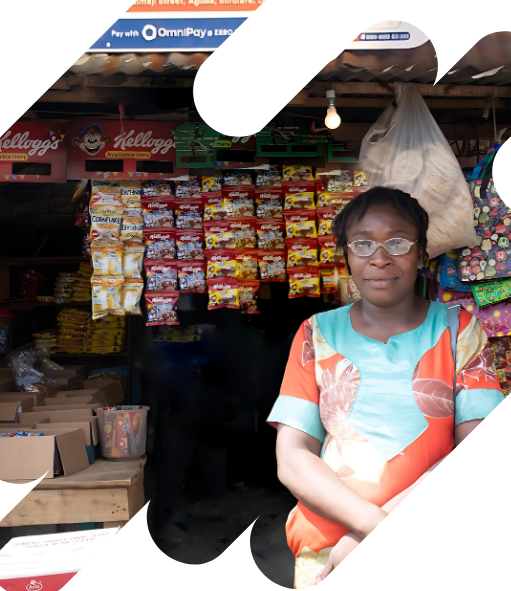
Retailers as market sensors
Signals from thousands of retailers on sourcing, stocking decisions, digital readiness, and finance behavior.
What Nigerians buy and what that means for trade
Interactive category storytelling that combines demand trends, affordability pressure, and route-to-market implications.
A category with strong habitual demand, youth relevance, and affordability-driven repeat purchase behavior. Strong indicator of pack-size sensitivity and velocity-driven trade execution.
What this means for brands
- Win on availability and price architecture
- Protect velocity, not just gross margin
- Design promotions around repeat purchase behavior
Demand is abundant. Access is the bottleneck.
Nigeria doesn't have a demand problem. It has an execution, visibility, and financing problem.
Demand Drivers
Access Constraints
Where the next decade of FMCG growth will come from
The biggest upside sits in models that reduce friction across trade, cash flow, and fulfillment.
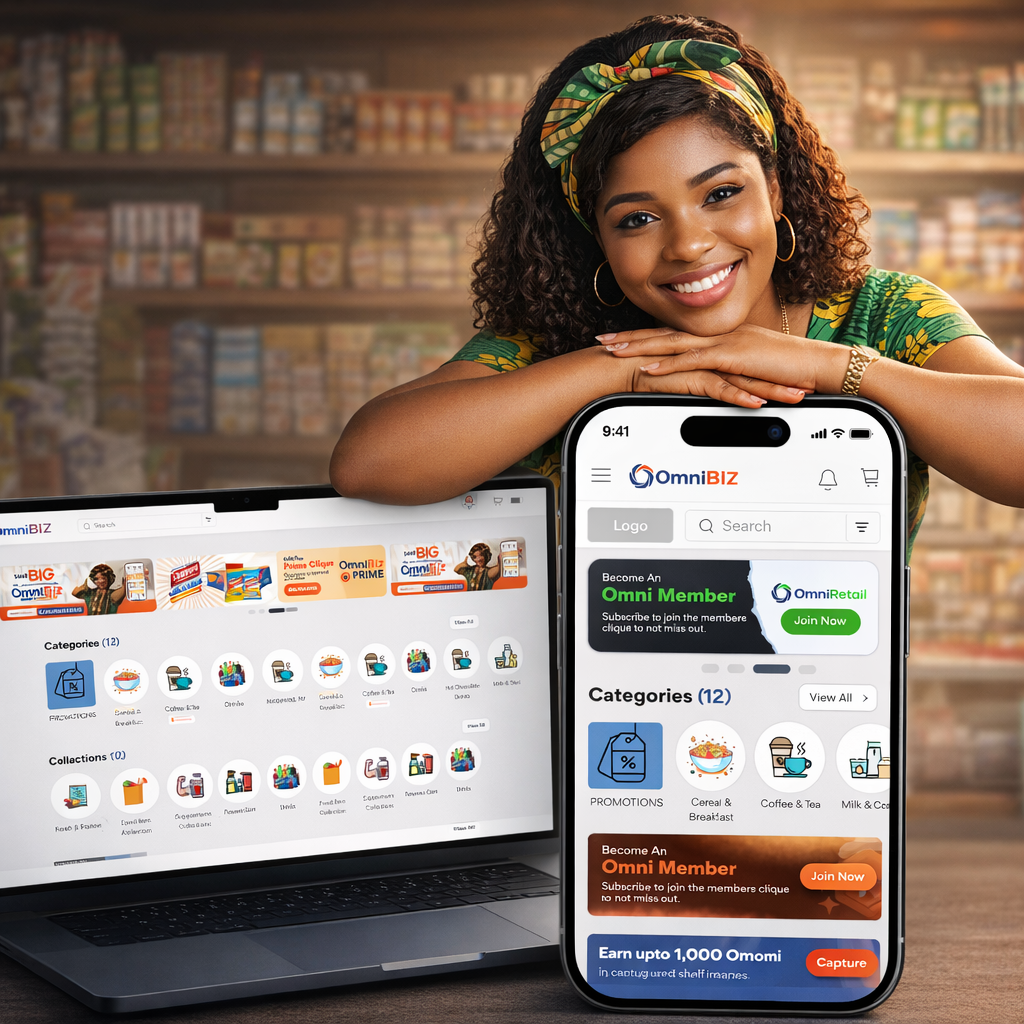
Digitized Procurement
Faster, more reliable sourcing with better visibility and fewer stockouts for retailers and distributors.
Embedded Finance
BNPL, working capital, and inventory-linked credit improve trade continuity and repeat purchase behavior.
Distribution Intelligence
Real-time visibility on movement, pricing, and demand improves route-to-market efficiency.
Localized GTM
Region-specific assortment, pricing, and engagement strategy will outperform blanket national execution.
How these insights were built
A blended methodology combining macro context, expert views, and first-party trade signals.
Macro & Secondary Research
Economic, demographic, and category context from credible public and industry sources to anchor the broader market narrative.
Industry Conversations
Operator and expert perspectives across the FMCG value chain to capture strategic and on-ground realities.
First-Party Trade Intelligence
Retail and distribution behavior signals from transactions, interactions, category movement, and operational flows.
Get the full Nigeria FMCG Industry Report 2026
Access the complete report for deeper visibility into market structure, category trends, retailer behavior, distribution bottlenecks, and digitization opportunities.
- Market structure and growth drivers
- Retailer sourcing and stocking behavior
- Category-level demand trends
- Distribution and access bottlenecks
- Digitization and embedded finance opportunities